
Consumer protection

The European Tech Alliance (EUTA) and its members care deeply about their consumers and understand that they are at the heart of their success. In today’s fast-paced and highly competitive business environment, companies are constantly innovating and adapting to meet the changing needs of their customers.

Where EU rules are needed, policymakers should focus on concrete problems that consumers are facing. Rules should address problems with specific business models instead of a one-size-fits-all approach or dictating specific product designs. It is essential to extend the same commercial rights that must be granted to online businesses as to brick-and-mortar ones. Furthermore, any proposed solutions should be proportional to the identified problems.

© European Union, 2026, licensed under CC BY 4.0

Digital Fairness Act adds a piece, but Europe’s consumer puzzle still does not fit

Today, the European Commission proposed the Digital Fairness Act (DFA). The European Tech Alliance (EUTA) supports strong and consistently enforced consumer protection that enables informed choice, fairer online markets and a level playing field that allows companies to compete, grow and innovate with confidence. The DFA will further complicate a fragmented rulebook, instead of making the existing pieces fit together and ensuring they are enforced the same way across the Single Market.


Same practice, one verdict: EUTA priorities for the CPC Regulation review

The Digital Fairness Fitness Check identified “multifaceted impediments to effective enforcement”. The revision of the Consumer Protection Cooperation (CPC) Regulation is the opportunity to remove them. The European Tech Alliance (EUTA), the voice of European-born and headquartered tech companies, calls on the European Commission to put forward an ambitious proposal that ends this patchwork and brings a common reading of the rules across the EU. Getting this right means equal protection for consumers, legal certainty for companies and fair competition across the Single Market.

Digital Fairness Act: What is left to regulate? 

Europe already has one of the world’s strongest consumer protection rulebooks. The Digital Fairness Act (DFA) can be an opportunity, if it focuses on making existing European rules work better in practice. Smarter enforcement must be the absolute priority moving forward.

Digital Fairness Act: European tech is ready. Is Europe?

Europe does not need another layer of consumer rules. It needs the rules it already has to work. That is the message from European tech leaders in our new video. It comes as the European Commission prepares to publish its Digital Fairness Act (DFA) proposal by the end of 2026.

Same practice, two verdicts: Make consumer protection have one meaning across Europe

A subscription button that is legal in one country can trigger enforcement in the next. European tech companies live with that reality every day, and the consumers they serve get different protection depending on where they live. Europe wrote a strong consumer rulebook, yet 27 national authorities read and apply it in 27 ways.

The European Commission can close that gap. In Q4 2026, it will propose a review of the Consumer Protection Cooperation (CPC) Regulation. A welcome development. The existing CPC Network already produces results, but it can do far more. We ask for two things together: improve the enforcement of rules Europe already has, and resist piling new rules on top. This will give consumers the same protection wherever they live, ensures competitiveness, and gives European tech companies legal certainty.

Digital Fairness Act: Another layer, or a rulebook that works ?

Europe has one of the world’s strongest consumer protection rulebooks. The problem is not what is written down. It is that the rules are not enforced consistently across the Single Market. European tech companies, meanwhile, face overlapping obligations that hold back innovation and growth. The Digital Fairness Act should fix enforcement and clarify how existing rules fit together, not pile a new layer on top.
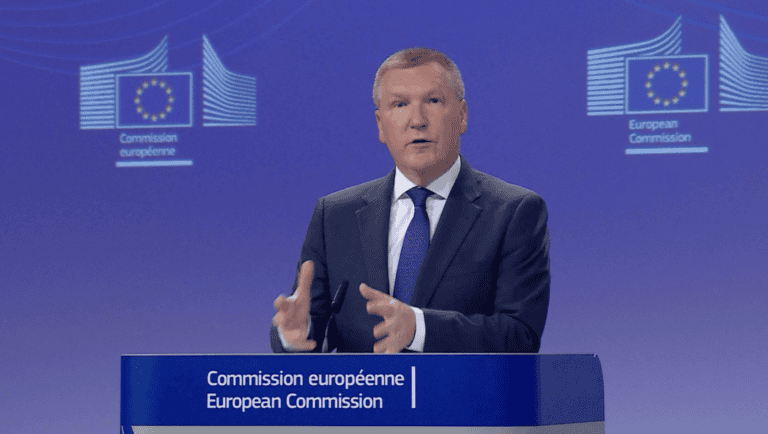
As the European Commission prepares its Digital Fairness Act (DFA) for end 2026, the European Tech Alliance (EUTA) shares Commissioner McGrath’s ambition for a DFA that is “both a pro-consumer and pro-business initiative” and must “not duplicate or fragment the existing rulebook”.

Consumer protection: EUTA joins industry call to reset the Digital Fairness Act trajectory

The European Tech Alliance (EUTA) has joined a broad coalition of business associations in calling on the European Commission to reset the course of the upcoming Digital Fairness Act. Europe does not need more digital rules, it needs the existing ones to be fully enforced. The DFA’s preparatory work points towards additional layers of regulation in areas already extensively covered by European law, which risks contradicting the political commitments of simplification and competitiveness.

Digital Fairness Starts with Smarter Enforcement

Over the past few weeks, we’ve explored some of the most debated issues in EU digital policy: dark patterns, addictive design, digital advertising, and subscription cancellations. These discussions often lead to calls for new legislation. But one message has been clear throughout this series: Europe doesn’t need more rules; it needs to make the existing ones work.

Subscription Cancellations: Enforce the Rules, Don’t Rewrite Them

The European Commission is considering new rules in the name of “digital fairness” to ensure cancelling a digital subscription is as easy as signing up.

The principle is sound, and one that European tech companies fully support. But the idea that this requires new legislation is misplaced. The issue is not a lack of regulation, but a lack of legal clarity and enforcement.

Digital advertising: What is at stake for Europe?

Advertising powers the digital economy. It allows businesses of all sizes to reach the right audiences and helps keep online content and services accessible to users. Yet, ongoing regulatory debates risk undermining this model, particularly by restricting targeted advertising. This push comes despite an already dense EU and national regulatory framework. Europe doesn’t need more laws, it needs better enforcement of those already in place.

Online Designs: Smarter Enforcement for a Healthier Digital Space

As digital services become central to everyday life, ensuring consumer well-being online is at the front and centre of European tech companies’ interest. Protecting users goes hand in hand with preserving user choice, encouraging innovation, and supporting the diversity of digital services that make the internet thrive. The key for Europe lies not in more rules, but in better enforcement: making sure existing protections deliver in practice, support responsible innovation, and uphold an internet that remains open, fair, and user-friendly.